
However, it turned out to be quite the space gardening tragedy. The ground-based plants yielded more than 100 tomatoes, whereas the plants grown aboard the ISS managed to ripen only 12 tomatoes. There was a little hitch: astronauts were not allowed to eat any of the space-grown tomatoes because of the small quantity of the samples and fears about fungal contamination in them.
The setup: dwarf tomatoes, big expectations
The tomato strain chosen for the experiment was “Red Robin,” a dwarf cherry tomato variety bred to stay small and manageable. It was a good fit for the Veggie growth chamber aboard the space station. According to a NASA technical report published on the agency’s research server, the experiment lasted precisely 100 days, from December 2022 to March 2023, and involved comparing the growth of tomatoes under two separate lighting conditions while another batch of tomatoes was cultivated here on Earth, as a controlled sample. Plants that were grown on the ground, experiencing Earth’s usual gravity and without any of the peculiarities of ISS plumbing, produced well over 100 tomatoes. The space crop could produce only 12.
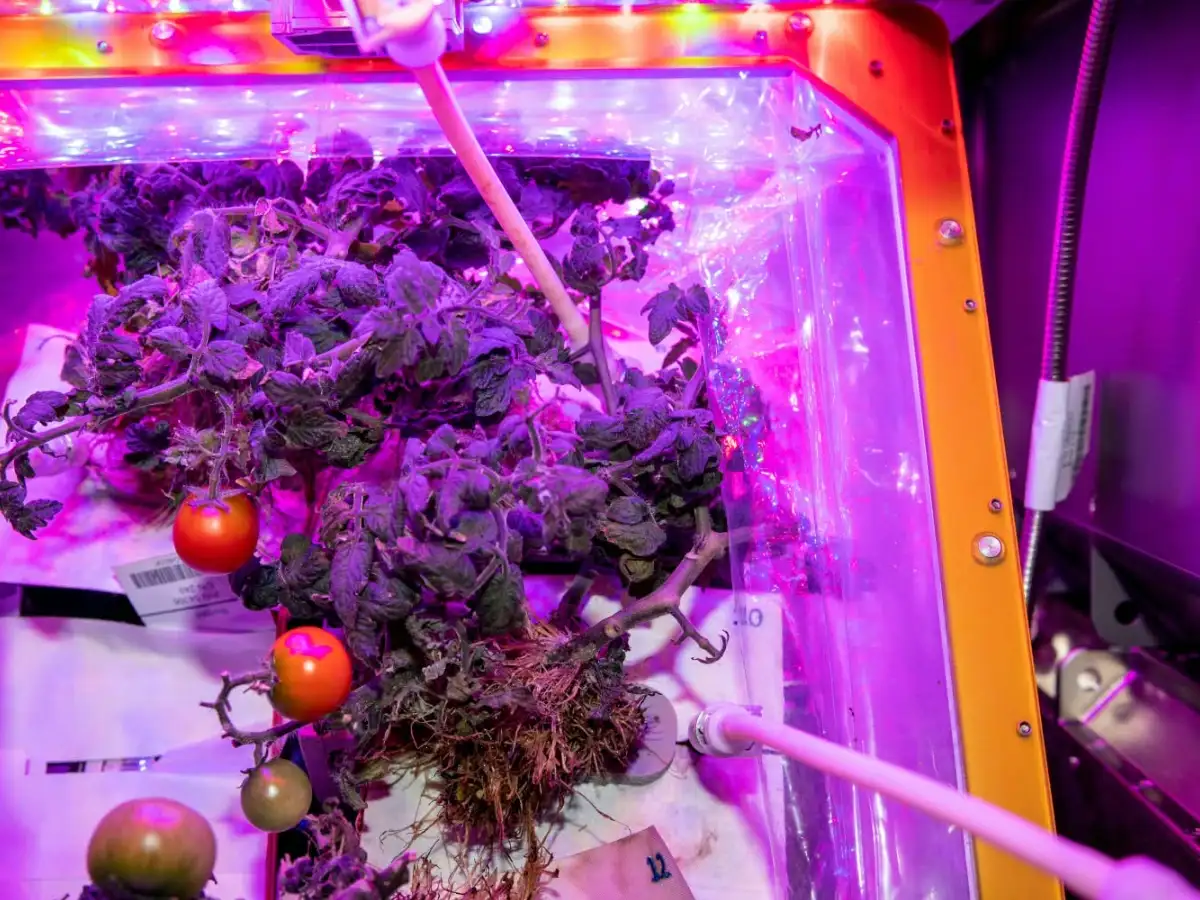
The VEG-05 experiment by NASA. Image credits: Wikimedia Commons
What actually went wrong up there

It was not long before the situation took a turn for the worse. Due to an unexpected decrease in humidity at the space station, the process of germination was disturbed early on. Ground teams tried to compensate by increasing watering, but in microgravity even that ordinary fix backfired: water doesn’t drain or distribute the way it does under Earth’s gravity, so the correction left the plant pillows over-saturated in some spots and dry in others. The uneven moisture triggered a cascade of stress responses in the plants, such as patchy growth, surplus root development, and production of fruits that either aborted prematurely or were of poor quality.
As for the results of the harvest, the same technical paper from NASA noted that the surviving plants yielded only a handful of fruits, and the mission scientists expressed fears regarding the possible presence of microbial contamination in them. This is the rather less glamorous part of what space agencies don’t tend to tell you about at first: in microgravity, even watering a plant becomes a complicated process due to the altered behavior of water in the absence of gravity.Why nobody bit into a space tomato
Since there were too few tomatoes and food safety issues remained unanswered, the team decided the crew would not eat the harvest. The fruit, along with plant samples and swabs, was bagged and frozen for return to Earth for laboratory analysis. There was also a small but very human note in the story: in a separate mishap involving a different NASA plant experiment, astronaut Frank Rubio lost track of two tomatoes he’d bagged during a 2022 check of the XROOTS root-growth experiment, and they weren’t found again for eight months. The two incidents got merged in a lot of early media coverage, but NASA later clarified that the misplaced tomatoes belonged to that earlier, separate experiment, not to the VEG-05 batch that was carefully logged and shipped home for testing.
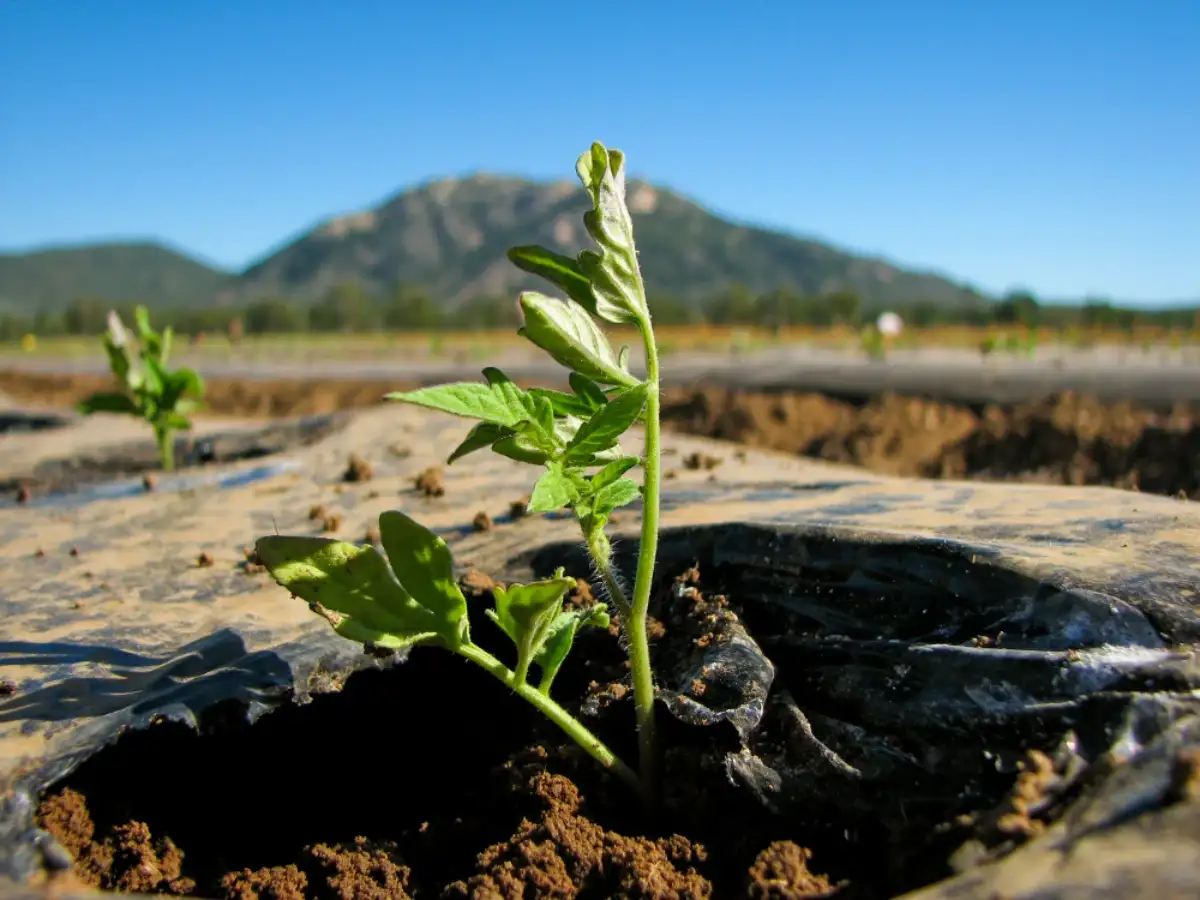
Tomato plant grown on Earth. Image credits: Wikimedia Commons
It is not the first time the Veggie facility experienced problems with watering. As noted in a 2017 peer-reviewed article titled “VEG-01: Veggie Hardware Validation Testing on the International Space Station,” published in the journal Open Agriculture, NASA’s earlier attempts to grow lettuce and zinnias on the same hardware ran into the same kind of trouble: the lettuce ended up underwatered while the zinnias were overwatered.
Why this actually matters
A manned mission to Mars would take years rather than months, and astronauts cannot survive so long by eating only from dried pouches. Fresh and homegrown food seems more than just a luxury for any space flight in the future, as it is both nutritionally and psychologically necessary. The mission’s own notes from NASA state that cultivating living plants helps isolated crews uplift their mental well-being. Even a failed harvest like this one moves that goal a bit farther along.

